If your fiancé leaves you on a K1 visa after marriage, your immigration status and green card eligibility may be at risk. But legal options may still exist.
Imagine moving to a new country, full of hope for a future with your loved one, only for your dreams to be crushed when your fiancé leaves you soon after getting married. This sad situation is real for some K1 visa holders, leaving them in a difficult spot regarding their legal status in the U.S.
But now you’re left asking: What happens if my fiancé leaves me after marriage on a K1 visa?
This situation affects your immigration status. The K-1 is one of the most complicated visas because it comes with strict rules, short timelines, and piles of documentation. Losing your partner right after the wedding doesn’t just hurt emotionally, but it also throws your green card application process into limbo.
Key Takeaways:
• Timing matters. Whether you split before or after filing your green card application changes everything.
• No marriage, no status. If you don’t marry or if things end before filing, your visa expires.
• Conditional green cards can be saved. If you have already received your 2-year card, you may still stay if you prove to have a bona fide marriage.
• An immigration lawyer is crucial. Immigration is full of strict rules, and a skilled immigration attorney can help you avoid losing your chance at citizenship.
Protect your residency and your peace of mind with us.
Table of Contents
The K-1 or fiancé visa lets a foreign fiancé enter the U.S. to marry a U.S. citizen. It’s temporary, so you’re only here for one purpose: to get married within 90 days.
USCIS makes it clear: if you’re not married within 90 days, you must leave the country. No extensions, no wiggle room. If you stay past that, you’re out of status and could face removal.
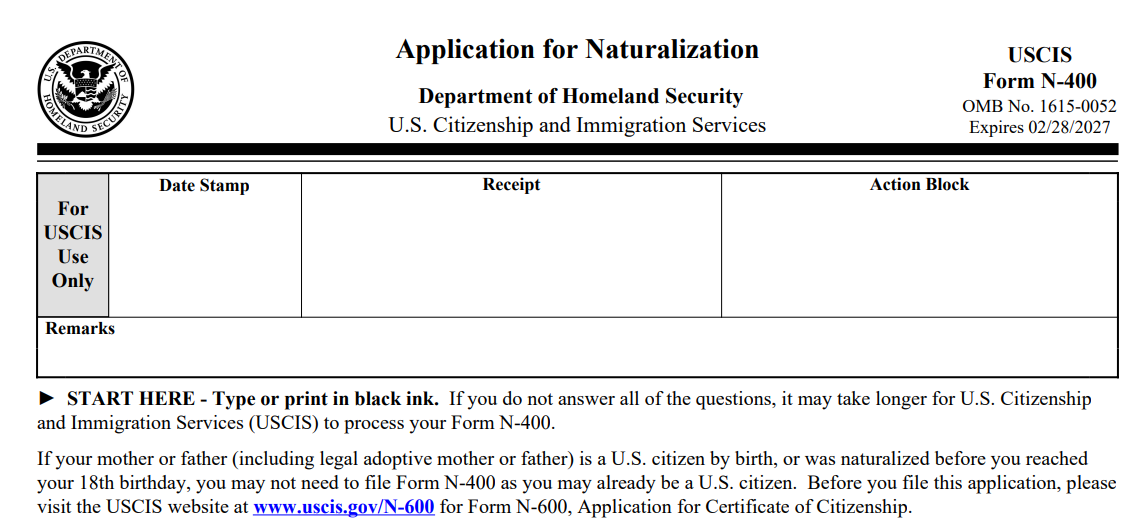
Once the wedding happens (yes, with a marriage certificate), you can adjust your status by filing Form I-485. This kicks off your green card application. It’s not cheap; the filing fee alone can be a burden, but it’s the path toward permanent residency and eventually citizenship.
Along with the I-485, many applicants file for employment authorization and advance parole. These give you a work permit while your application is pending. But how long after entering the U.S. on a K-1 visa can you work? Without an approved employment authorization document (EAD), you can’t legally work, and without advance parole, you can’t leave the U.S. while your application is pending.
If the marriage has been valid for less than two years when the green card is given, the K1 visa holder will get a conditional green card. To remove the conditions, another joint petition (Form I-751) with the U.S. citizen spouse is required later.
If your U.S. citizen spouse leaves you after the marriage, your immigration status is immediately at risk. The main idea behind the K1 visa and getting a green card later is that there's a real, ongoing marriage. Without your spouse's help, applying for a permanent green card becomes hard.
If you break up before filing to adjust status, your K-1 visa ends. No marriage, no green card. Your stay isn't granted even if you got married but never filed the paperwork.
If you’re married and have filed the green card application but have divorced before approval, USCIS may deny it. Without authorization, your immigration status vanishes. You may have to leave unless you find another form of visa (like a student or work visa).
If your green card has been approved and you received a conditional card (valid for less than two years):
• You’ll need to file Form I-751 later to remove conditions.
• Normally, your spouse must file with you, but divorce doesn’t automatically kill your case.
• With proof of marriage, you can apply for a waiver and still keep your status.
In this situation, it’s important to understand the key differences between a 2-year green card vs. a 10-year green card.
The 2-year version is considered “conditional permanent residency.” On the other hand, the 10-year green card, sometimes called the “permanent card,” means you’ve already cleared that hurdle.
Divorce doesn't affect your permanent residency if you already have the 10-year card. The only catch? For citizenship, you must now wait 5 years instead of the 3 years allowed when applying through a U.S. spouse.
Your marriage may have ended, but your immigration journey doesn’t have to. Ask for help.
Ignoring the legal effects of a marriage breakdown after a K1 visa can lead to serious and long-lasting problems for your ability to stay in the United States. Without your spouse's help, there's no automatic way to get legal status. This means you must actively look for other solutions or face the harsh realities of U.S. immigration laws.
The money you spent on the K1 visa process is often completely lost, and the emotional pain of separation is made worse by legal uncertainty. Also, the fear of deportation and the lasting effect on your immigration record can be overwhelming. This is where getting help from an immigration lawyer isn't just useful, it's absolutely necessary. Hacking Immigration Law, LLC is skilled at handling these complex situations.
For example, if you overstay after losing your legal status, you could be banned from re-entering for 3 years, making it much harder to return to the U.S. This shows the urgent need for expert legal help. The most common time for abandonment happens within 6 months after marriage, which means many people are put in this tough situation soon after they arrive.
Take action now to protect your immigration rights during divorce.
If you had a true marriage, but your new spouse left, you can file Form I-751 with a waiver. It’s not easy; USCIS wants serious documentation like joint bank accounts, leases, or affidavits, but it’s possible.
If abuse is part of your marriage, you may qualify for VAWA. This allows you to self-petition without your ex. An experienced immigration lawyer is able to provide guidance throughout this delicate process.
Sometimes you can pivot. An F-1 student visa, H-1B work visa, or even employer sponsorship might be available. These are other forms of legal status that keep you in the country while you regroup.
This is not a DIY process. A skilled immigration attorney knows how to frame your case, handle the documentation, and argue for your right to stay. Firms like Hacking Immigration Law, LLC, focus on tough cases exactly like this.
To prove your marriage isn’t fraudulent, gather everything: your marriage certificate, photos, bills, leases, texts, and affidavits from friends. The stronger your case, the better chance USCIS believes your green card is earned through a true marriage.
Missed deadlines can sink you. For example, failure to file Form I-751 will result in a loss of status. A good immigration lawyer will make sure you never miss one.
Generally, divorcing before getting your green card can put you at risk. However, there are exceptions, especially if you can prove a bona fide marriage or if you experienced abuse.
The timing of your divorce, marriage, and green card application is important. If you divorce before filing to adjust status or during the conditional residency period (less than two years of marriage), it affects your options. This means you need quick legal advice to understand what it means based on your specific timeline.
Documentation of shared finances, living arrangements, joint accounts, possessions, and social activities can help prove your marriage is genuine. An immigration law firm like Hacking Immigration Law, LLC can guide you in collecting and showing this important proof.
A specialized fiancé visa lawyer from Hacking Immigration Law, LLC can give important guidance on handling the divorce process and its immigration consequences. They can help you explore all available options to keep your legal status in the U.S., and represent you when dealing with USCIS. For expert legal help, consider reaching out to Hacking Immigration Law, LLC.
Here’s the truth: obtaining a non-immigrant visa for a fiancée (K-1) is overwhelming. Every deadline, every piece of documentation, every rule matters. If your spouse leaves, your case doesn’t have to die with the marriage.
An immigration attorney can argue your case, file the right forms, and help you avoid losing your shot at permanent residency and citizenship. That’s exactly what Hacking Immigration Law, LLC does.
Let’s help and guide you through this maze when life takes a hard left turn.